

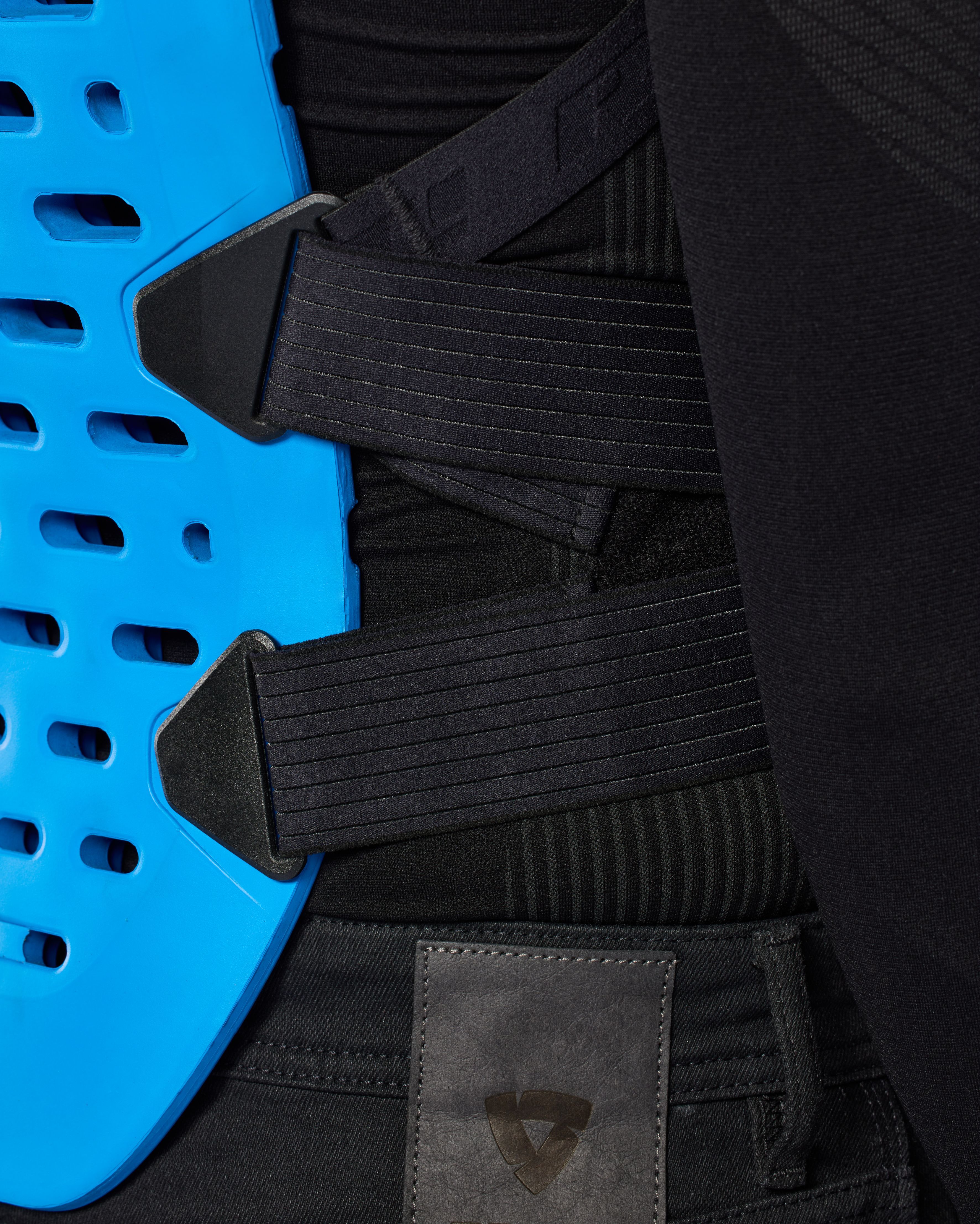
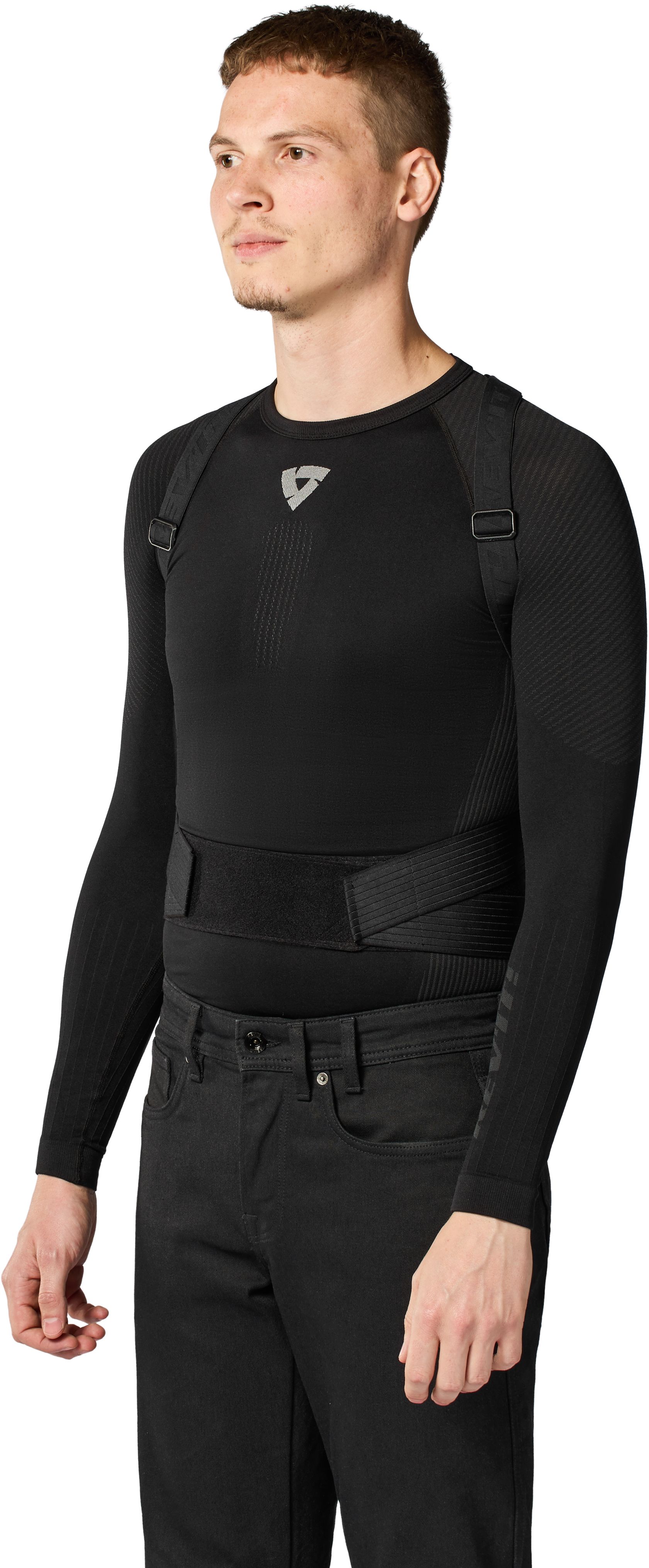
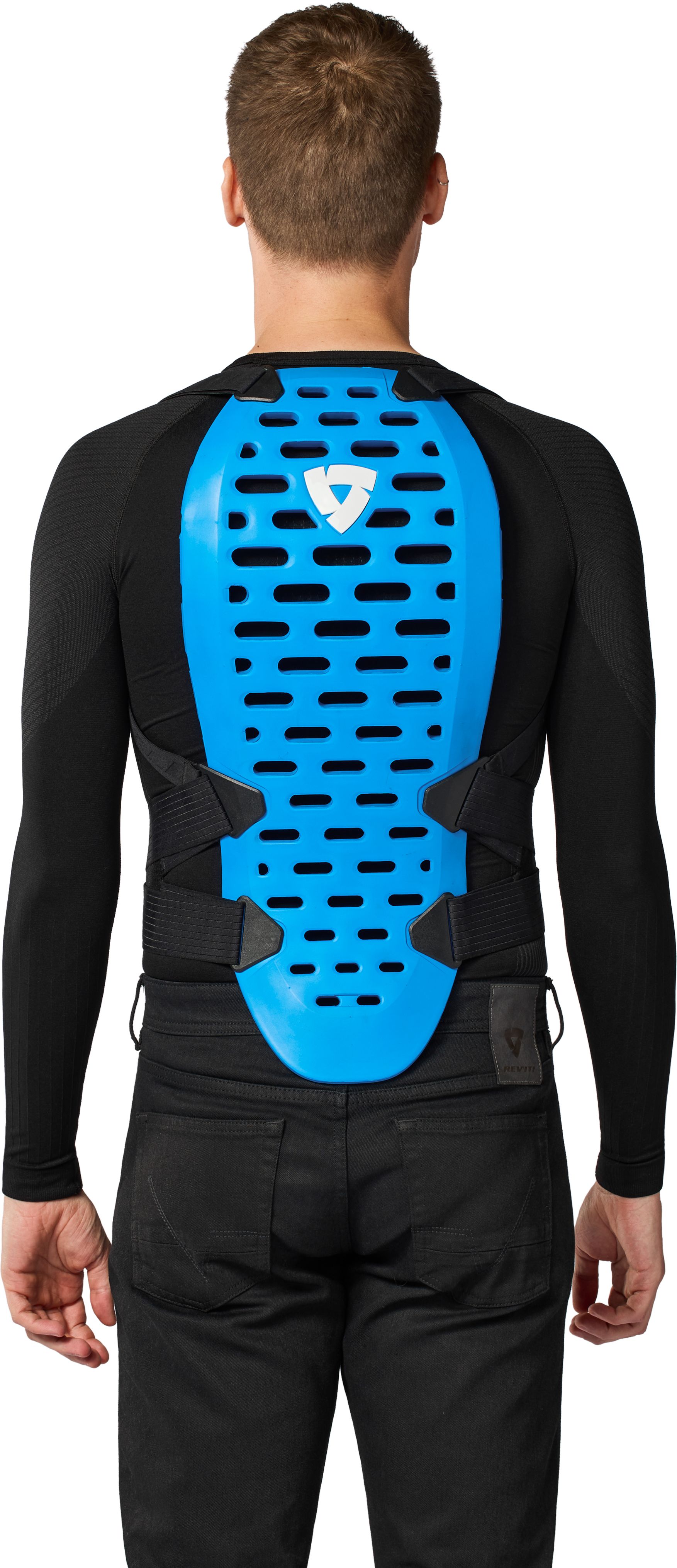
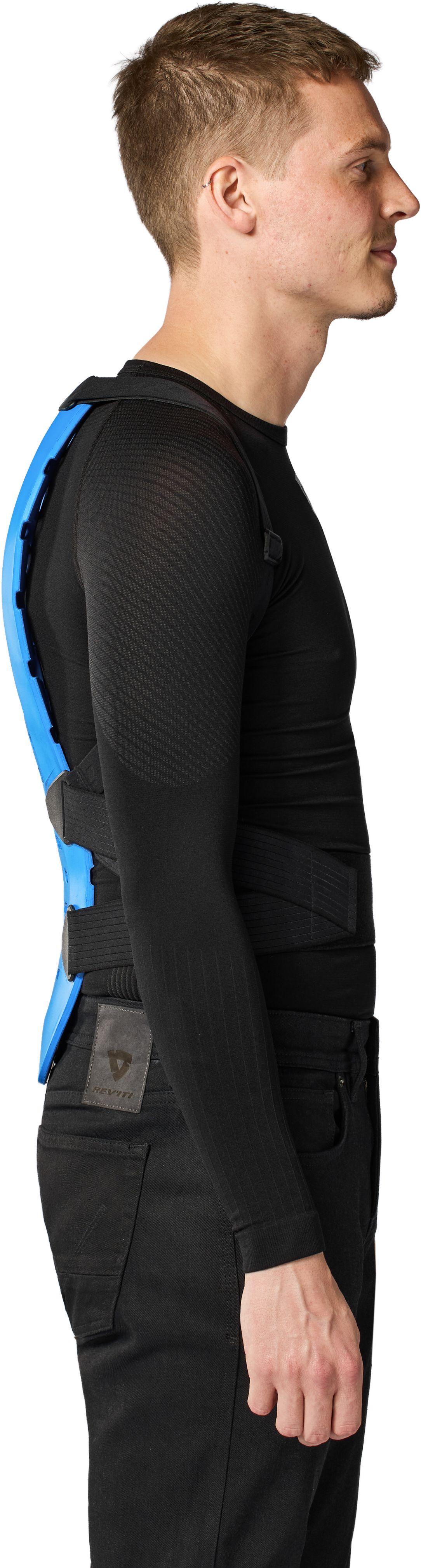


The Spina back protector was designed with one clear goal in mind: to perform well in the heat. For anyone wondering why that matters: high temperatures (anything above the test requirements of 22 °C) are not beneficial for the performance of a foam‑rubber protector.
Hence, this new back protector. Many foam back protectors fail when exposed to heat. Their protective properties drop as temperatures rise, because heat makes rubber‑like foam – the material commonly used for back protection – softer.
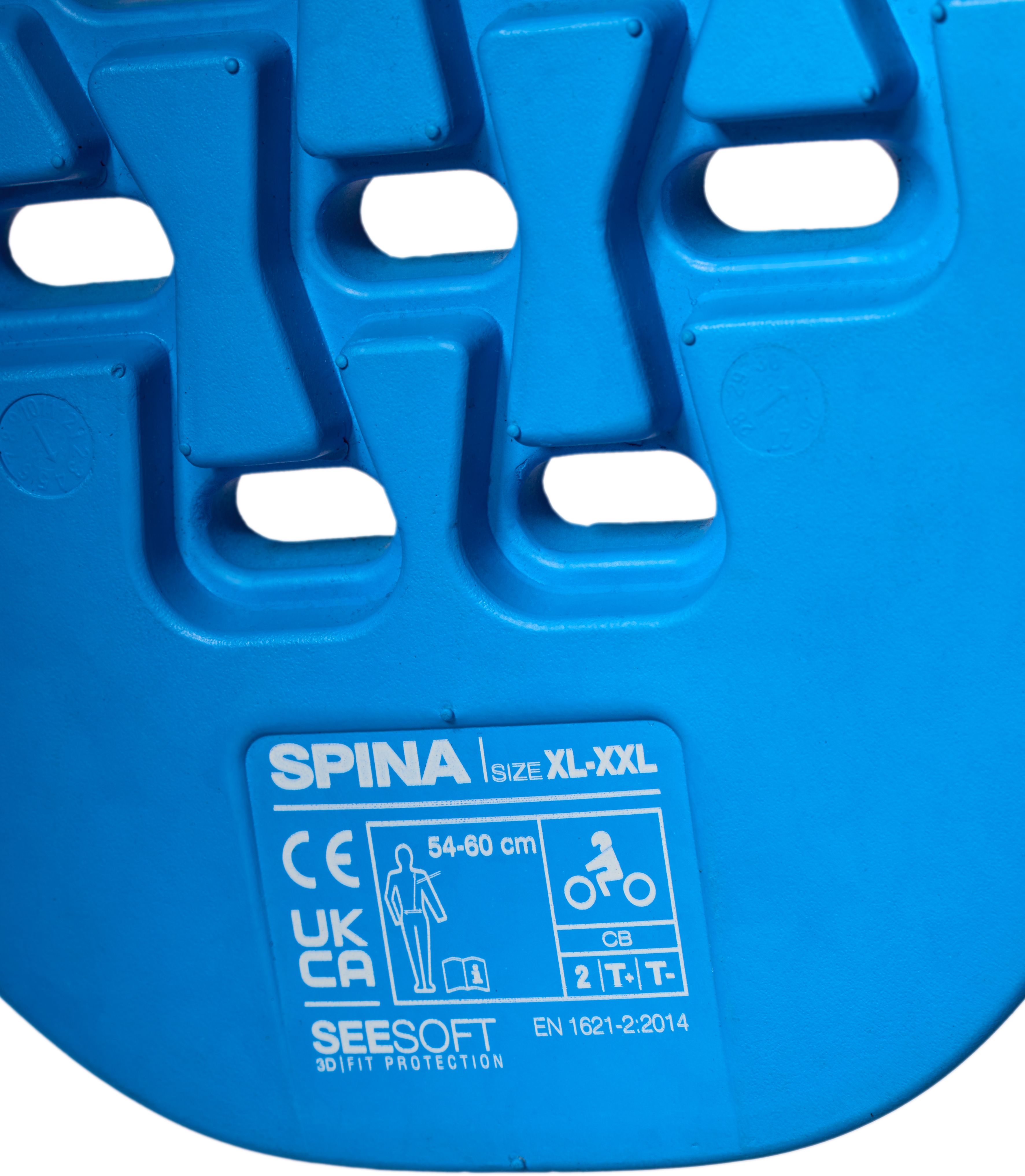
To achieve a CE Level 2 rating under EN 1621‑2:2014, foam has to pass a drop test at 22 °C. A higher T+ rating means this protection is maintained even at 40 °C. While 40 °C may sound extreme, real‑world factors such as body heat, sun and physical effort make that temperature relatively easy to reach, especially since back protectors are worn close to the skin.
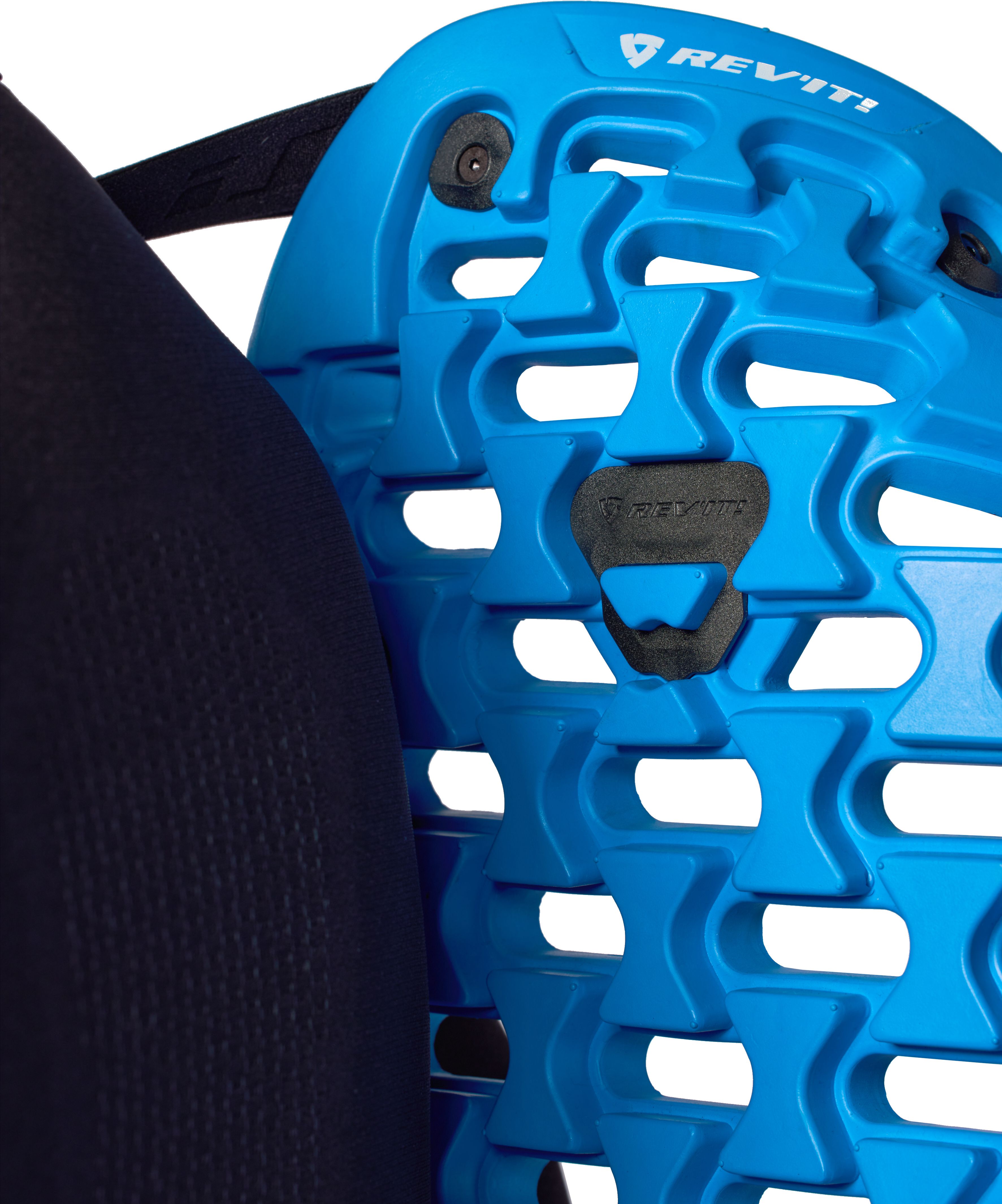
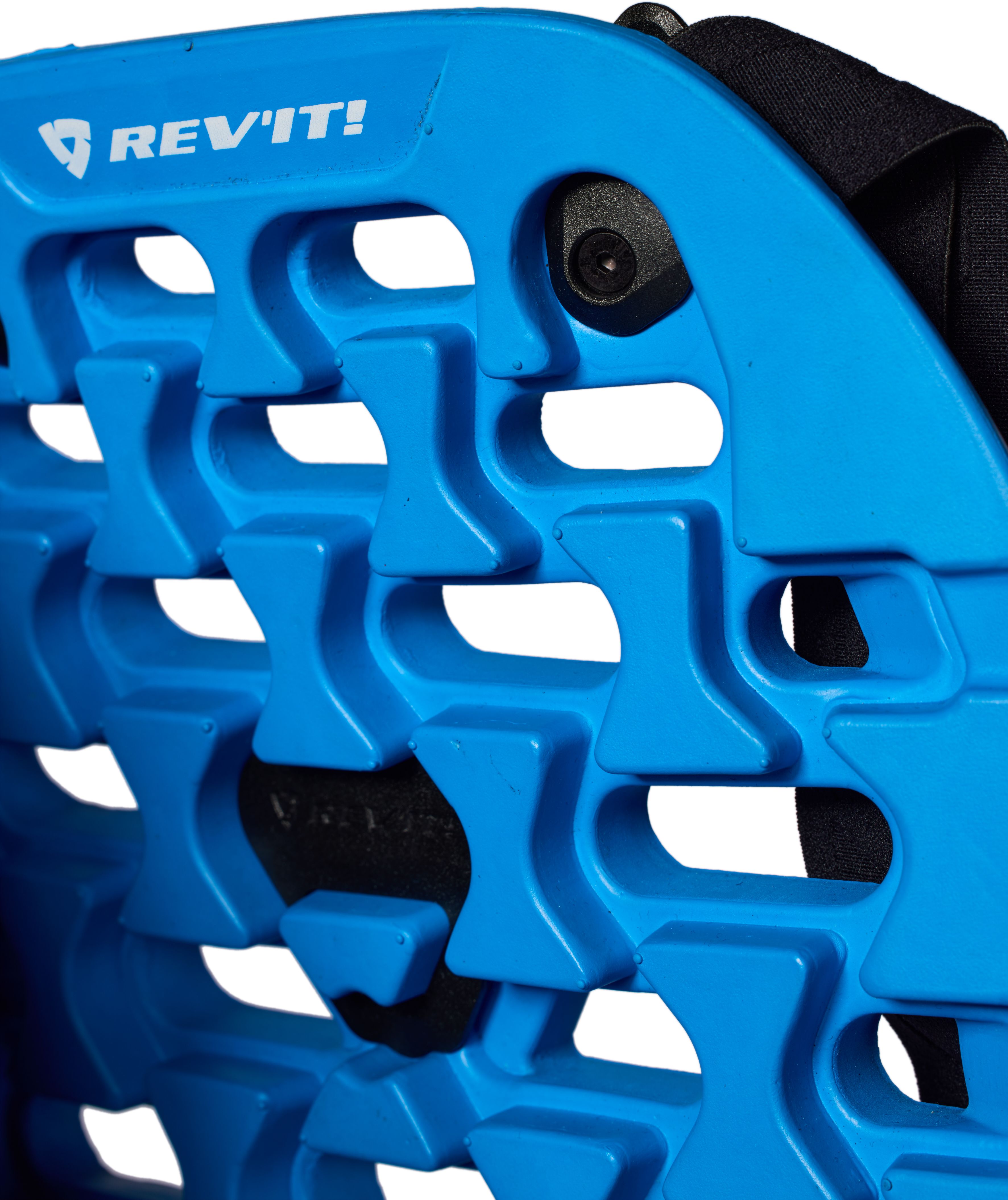
The challenge REV’IT! set itself was not just to meet the standard, but to exceed it. In the search for a suitable material, the focus landed on athletic footwear. EVA midsoles turned out to offer the right properties: light, flexible, impact‑resistant and – crucially – insensitive to temperature.
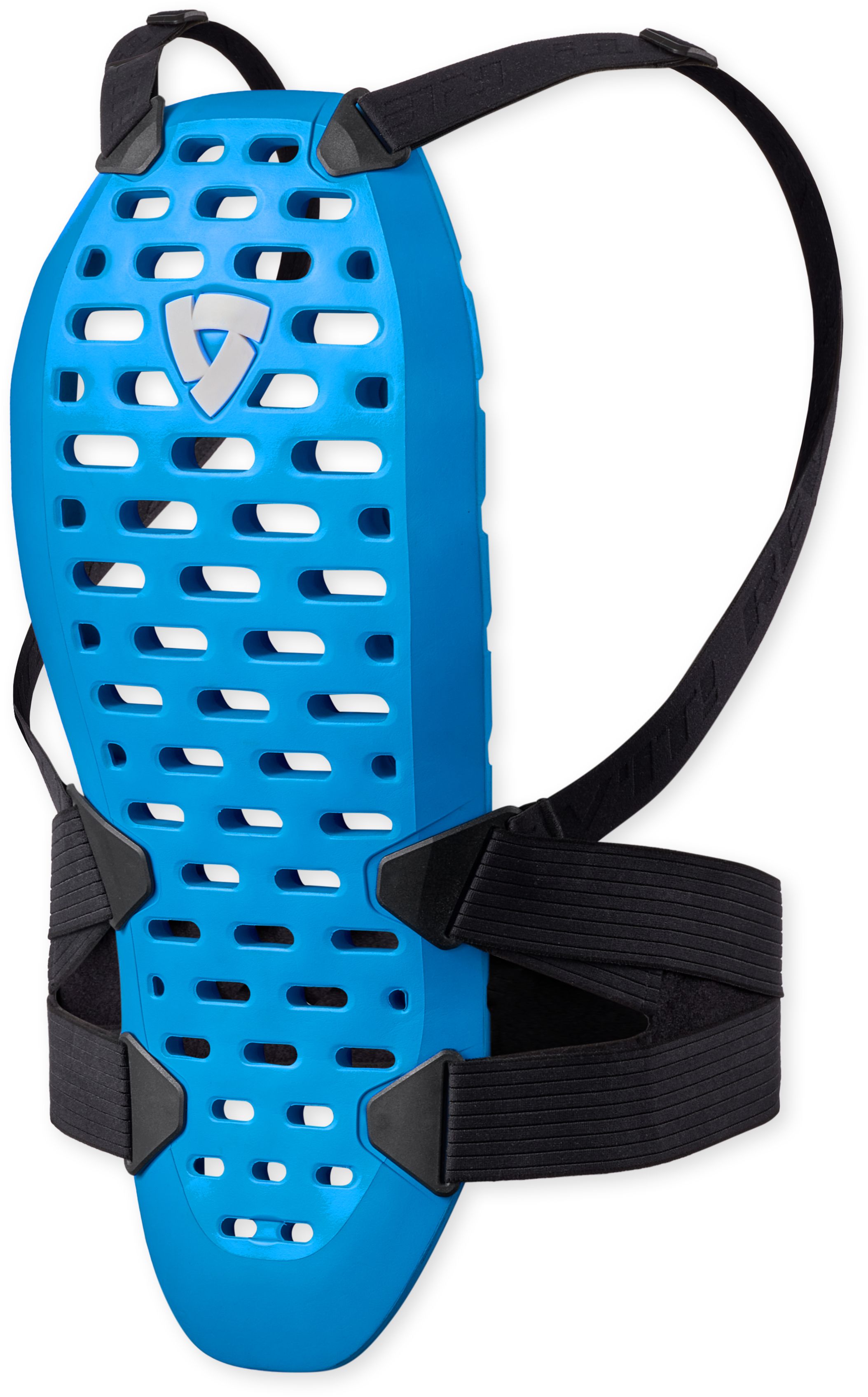
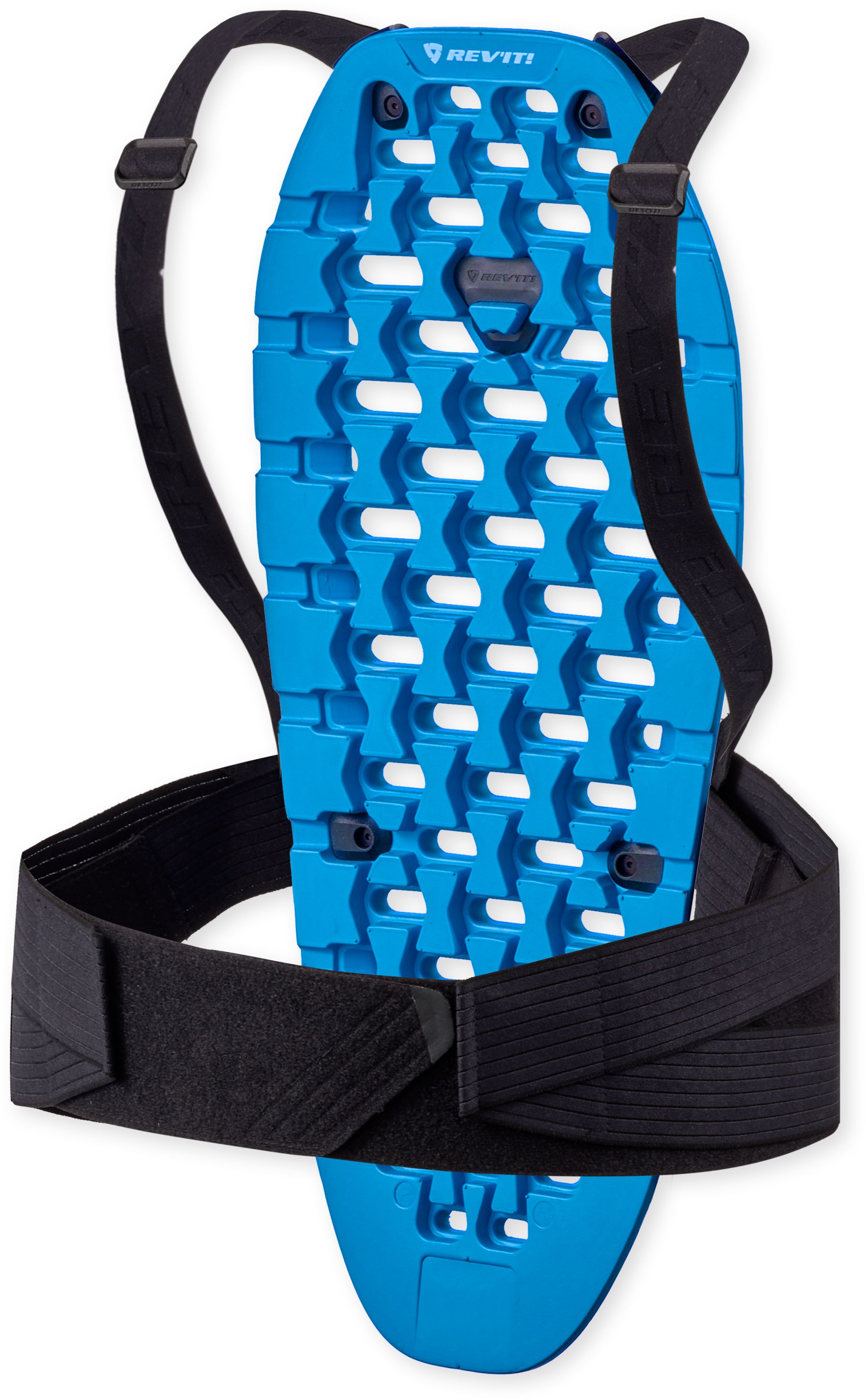
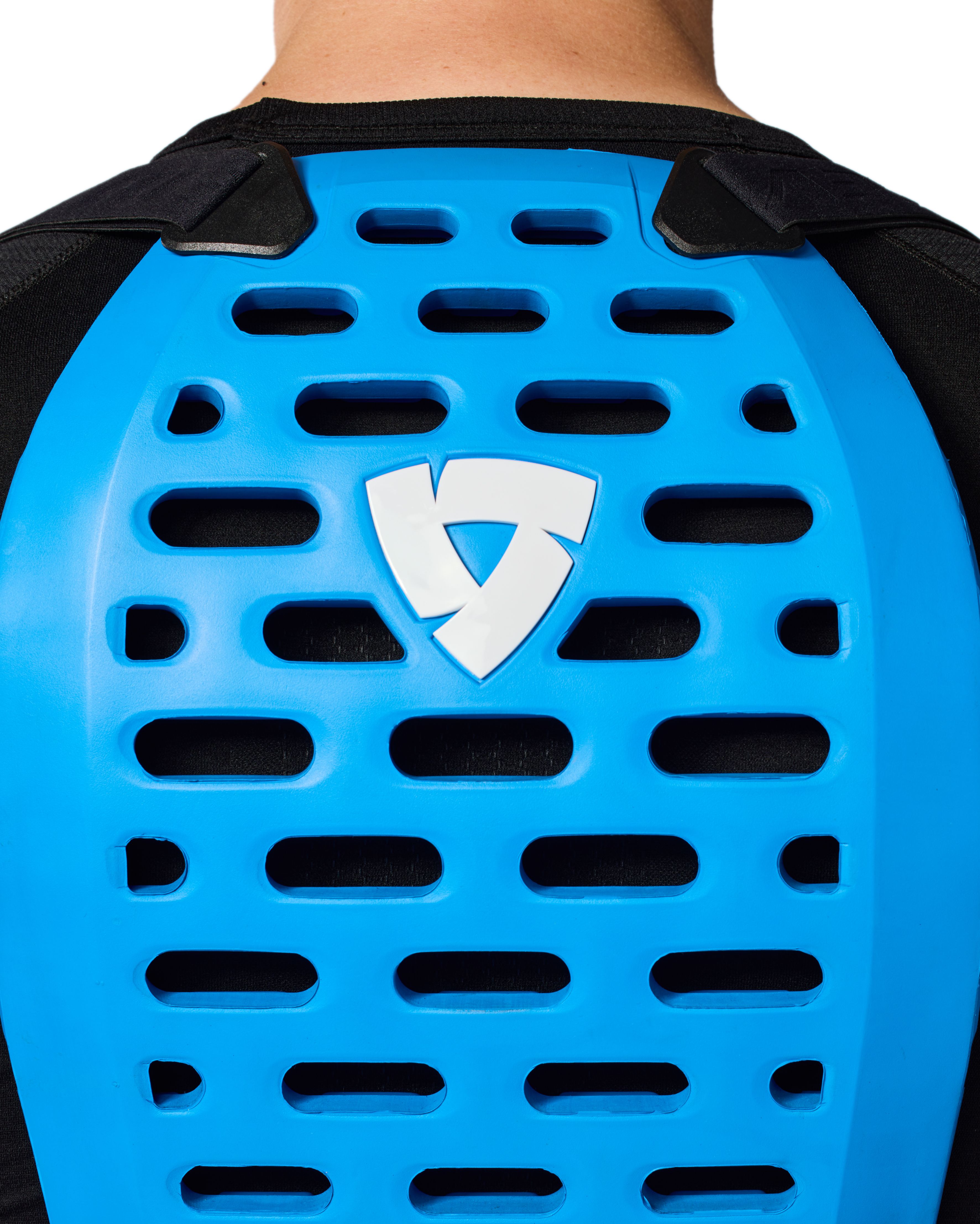
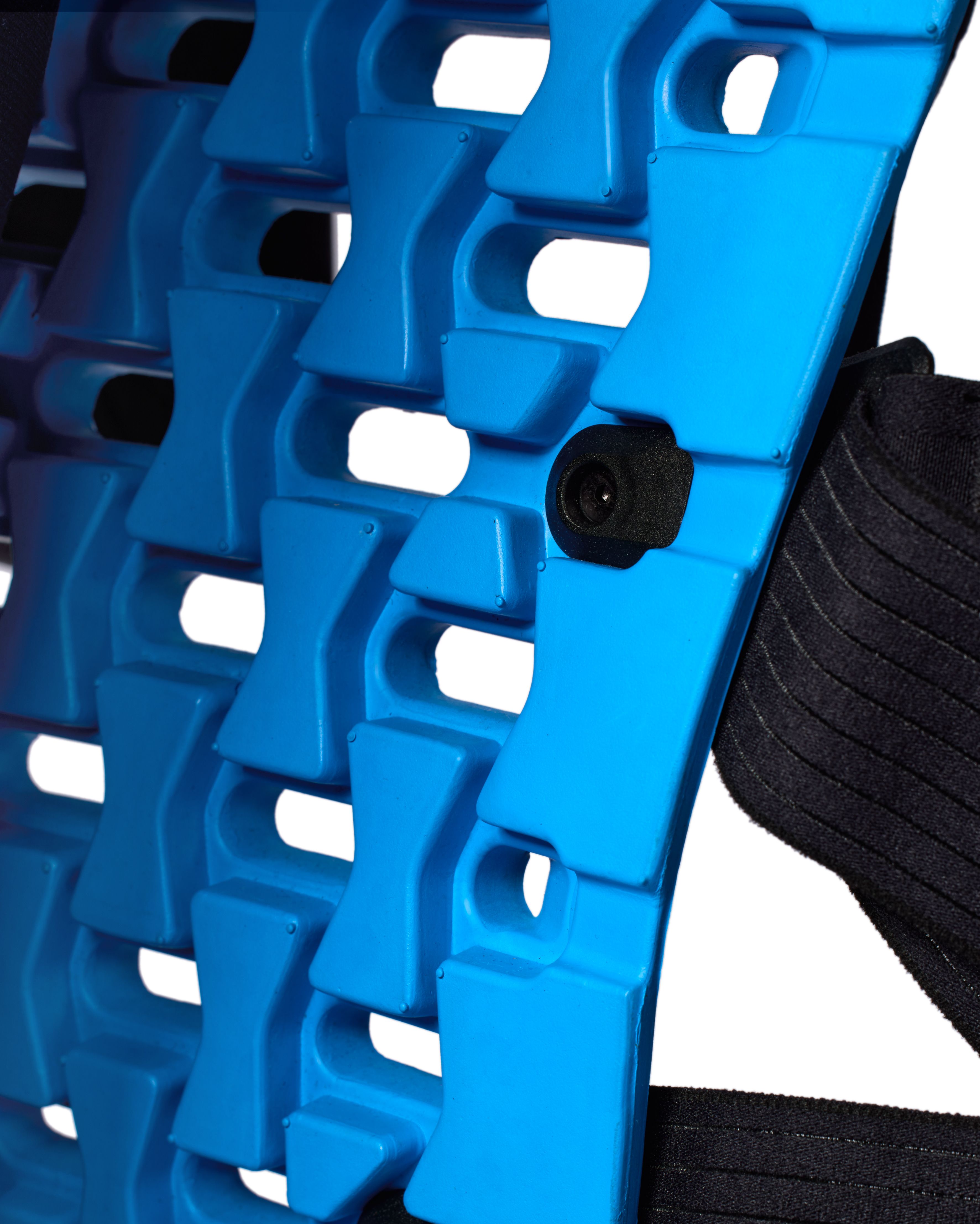
The REV’IT! R&D team ultimately developed the Spina back protector. Its design inherently delivers breathability, with carefully positioned openings and a balanced shape that links shock absorption and structural integrity.
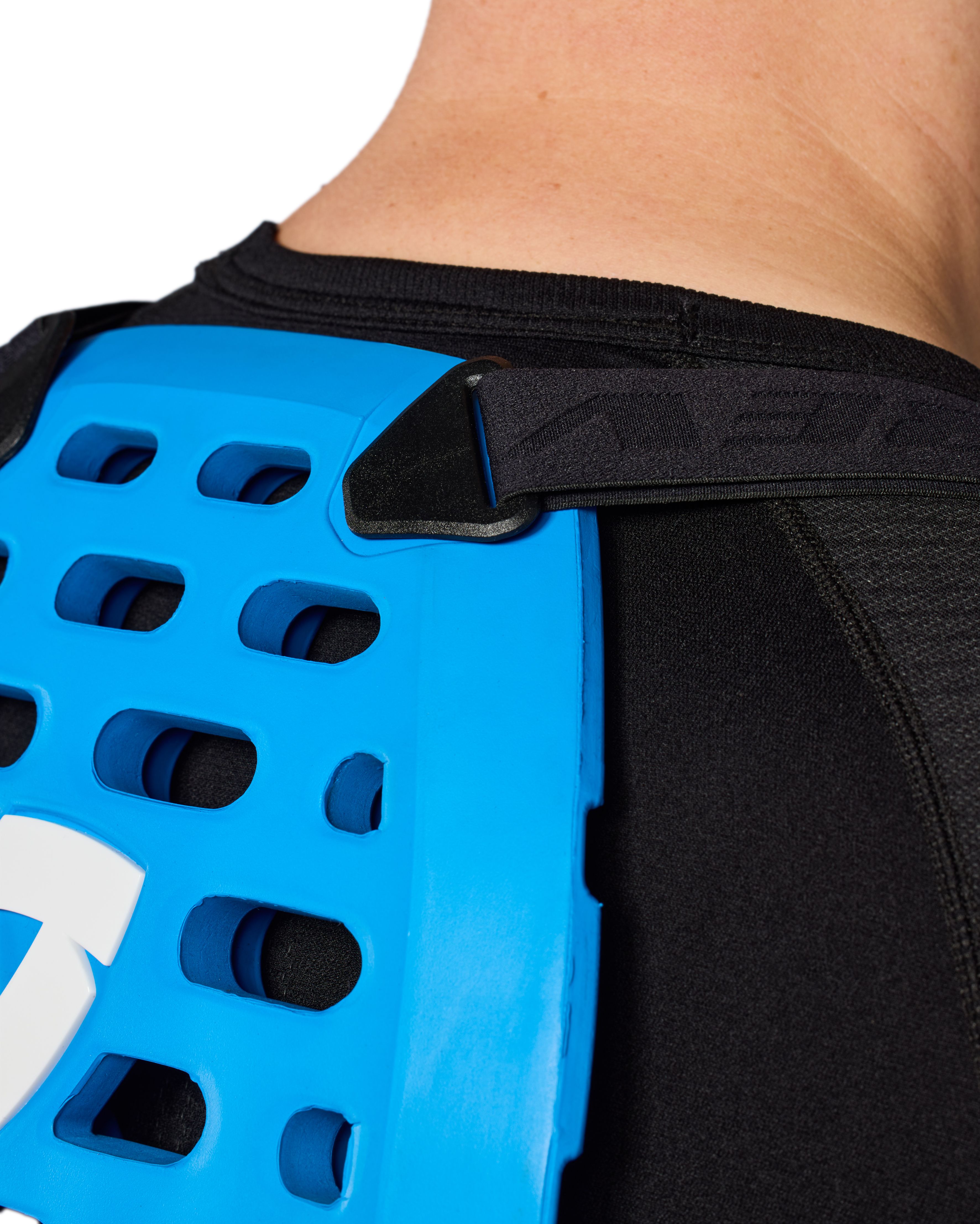
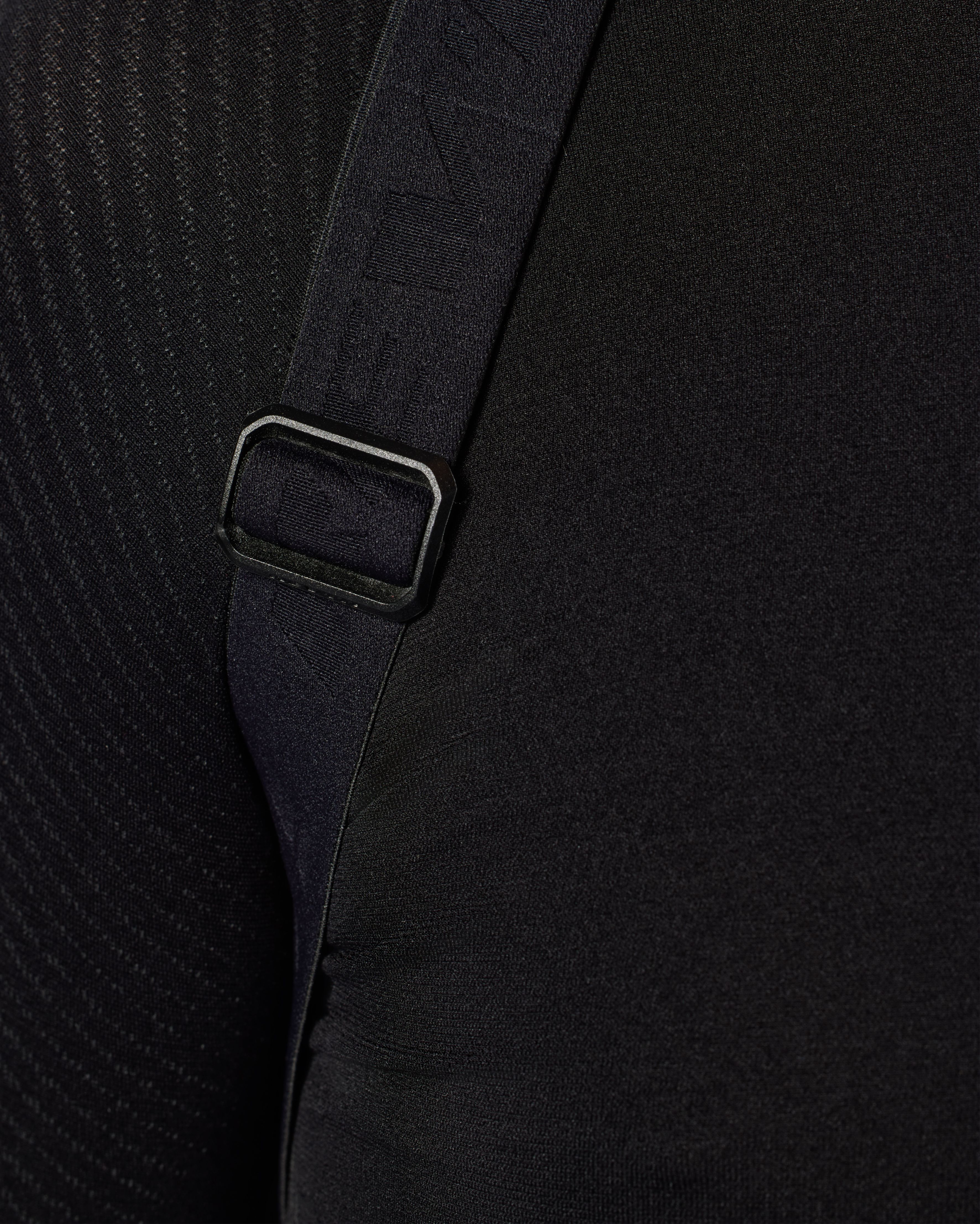
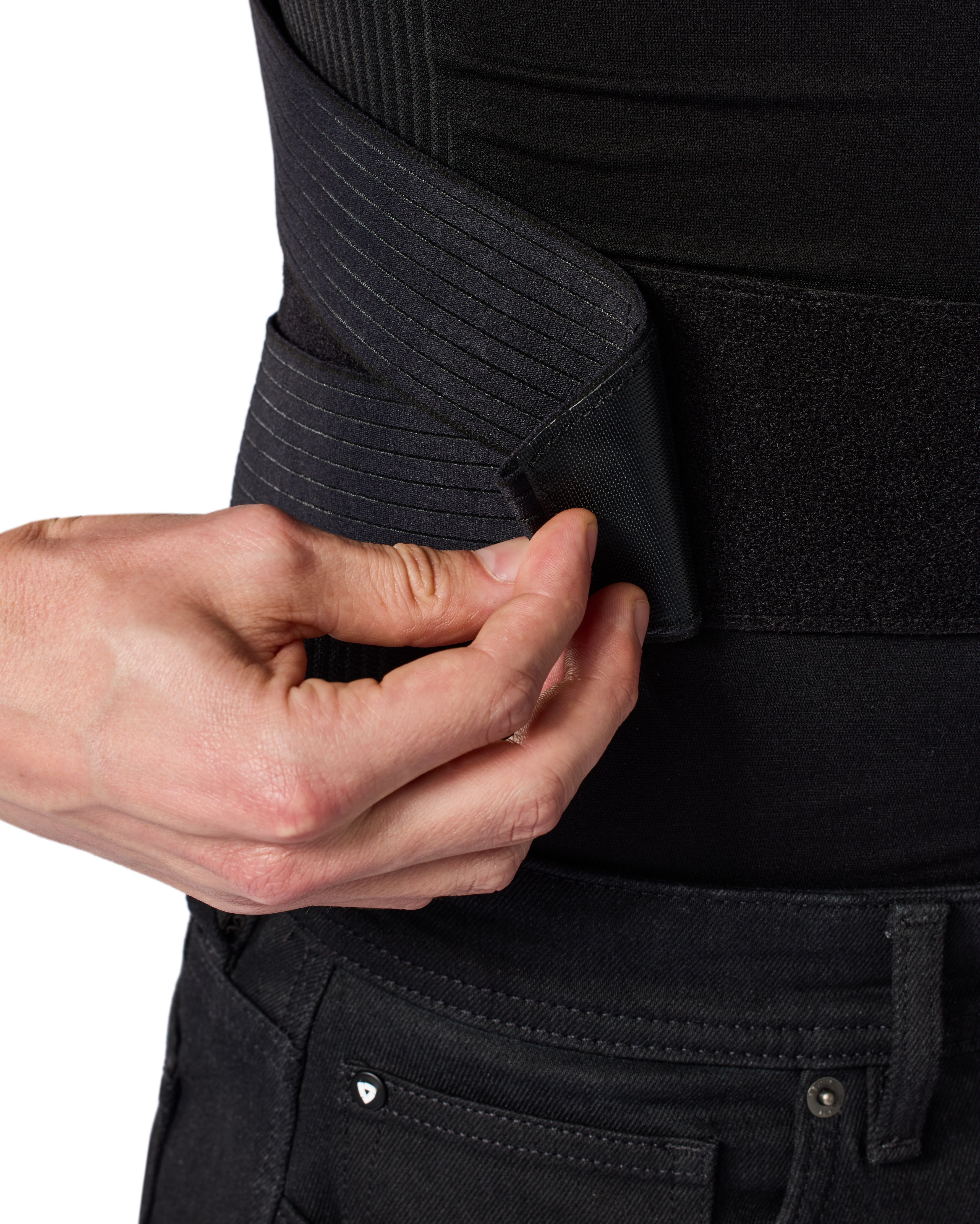
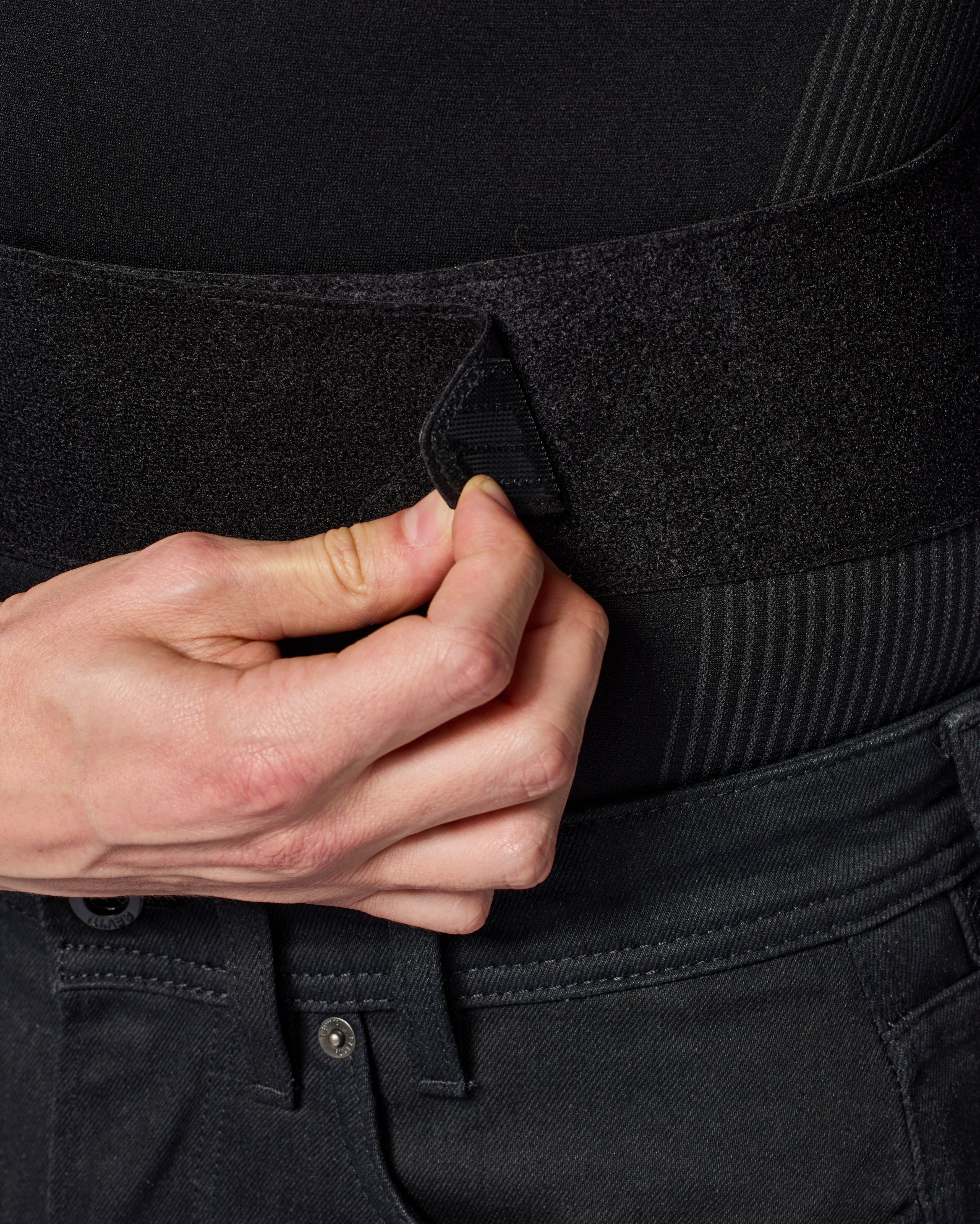
They also analysed different body types and thought carefully about wearability. The result is a bi‑directional buckle system that integrates shoulder and waist straps, distributing weight evenly and improving comfort.
The Spina is also built to be worn, worn again and more importantly, trusted again after a crash. It can be used again.